

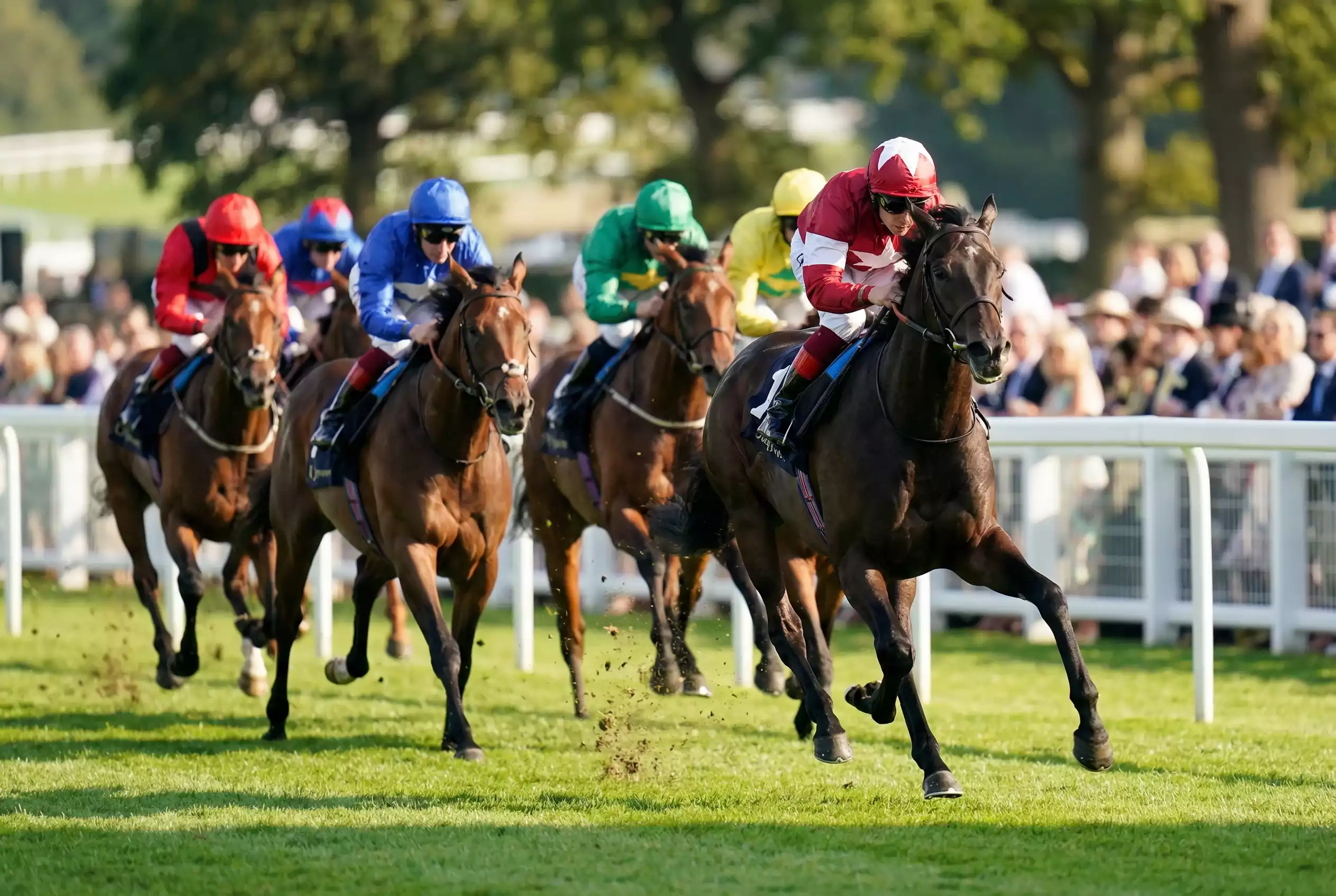
Most punters react to a non runner by checking the new odds. The sharper ones check the draw. But the sharpest question to ask when a horse is withdrawn is: what does this do to the pace? The race just got reshaped, and the horse that left may have been the one setting the tempo that made the rest of the field viable.
Pace is the hidden variable in race assessment. It determines whether front-runners get a soft lead or are burned off early, whether hold-up horses get a clean run or are trapped in a wall of traffic, and whether the race unfolds in a way that suits the favourite or exposes it. When a non runner removes a horse with a specific running style, the pace scenario can flip entirely — and with it, the value in the market.
Pace Fundamentals — Front-Runners, Stalkers and Hold-Up Horses
Every horse has a preferred running style, and those styles create the pace dynamic of a race. Front-runners want to lead from the start. They set the tempo, control the fractions, and try to build an advantage that the closers cannot bridge. Stalkers sit just behind the pace, tracking the leader while conserving energy for a move in the final two furlongs. Hold-up horses race at the rear of the field, relying on a strong finish to overhaul the leaders in the closing stages.
The balance between these three groups determines how a race is run. A race with two or three confirmed front-runners will typically produce a strong early pace. They compete for the lead, the fractions are fast, and hold-up horses benefit from the energy the leaders burn. A race with only one front-runner produces the opposite: a slow, controlled tempo where the leader dictates and the closers never get the speed they need to close ground.
The pace map — a pre-race analysis of each horse’s likely running position — is the tool that codifies this dynamic. Pace maps are published by specialist racing analysts and are available on several data platforms. They categorise each runner by running style and project how the early, middle, and closing stages of the race will unfold. A non runner changes the pace map, and the punter who does not update it is working from an outdated blueprint.
When the Front-Runner Is Withdrawn — No Pace, No Plan
The most impactful non-runner scenario for pace is the withdrawal of a confirmed front-runner. Remove the horse that was expected to set the pace, and the entire race dynamic shifts.
If the withdrawn horse was the only genuine front-runner in the field, the remaining runners face a pace vacuum. Nobody wants to lead. The jockeys look at each other in the early strides, nobody commits, and the field crawls through the first half of the race. This slow pace favours front-runners that remain in the field — even those that would normally be mid-division runners may be forced, or choose, to take up the running. It heavily disadvantages hold-up horses, which need a strong early tempo to set up their closing run.
In a competitive handicap, the effect can be stark. Field sizes at Flat Premier meetings averaged 10.86 runners in 2024, according to BHA data. In a field of 11, removing the pace-setter leaves 10 horses without a tempo to follow. The horse that inherits the lead — often at a slower pace than the withdrawn horse would have set — gains a tactical advantage that the market may not have priced in.
The value play in this scenario is to look for horses that can adopt a prominent position. A horse with tactical speed — one that can sit second or third without being ridden aggressively — becomes more dangerous when the expected pace is slow. Conversely, a deep closer that relies on a fast early pace to set up its finish becomes less attractive, even if the market has shortened it in response to the favourite’s withdrawal.
When a Hold-Up Horse Drops Out — Less Traffic, More Room
The withdrawal of a hold-up horse has a subtler but still meaningful effect on the pace scenario. A horse that races at the rear takes up space in the pack, creates traffic for other closers, and adds to the competitive pressure in the closing stages. Remove it, and the remaining hold-up horses have more room to manoeuvre.
In a large-field handicap, the back of the pack can be a crowded place. Four or five horses racing within a few lengths of each other, all waiting for their moment to strike, create a traffic jam that costs lengths and positions. The jockey on a hold-up horse needs a clear passage to switch off the rail or accelerate through a gap. Every horse removed from that group widens the available running room.
The pace itself is less affected. The withdrawal of a hold-up horse does not change the early tempo — it changes the closing dynamic. The remaining closers face less competition in the final two furlongs, and their expected finishing position improves marginally. The effect is smaller than the withdrawal of a front-runner, but in tight handicaps where margins are measured in short heads, it can be enough to change the result.
A hold-up horse’s withdrawal also reduces the demand for a strong pace. With fewer closers in the race, there is less collective need for a fast tempo to set up the finish. This can actually benefit the front-runners, who face reduced pressure from behind and may get an even softer lead than they expected.
Pace Collapse Scenarios — Two or More Non Runners from the Pace Group
The extreme case is a pace collapse — a scenario where two or more front-runners or prominent racers are withdrawn from the same race, leaving no horse with a natural inclination to lead. This is rare but not hypothetical, and it fundamentally changes the race’s character.
A pace collapse turns a potentially fast-run handicap into a tactical affair. Jockeys spend the opening furlongs manoeuvring for position rather than pushing for the lead. The fractions slow. The race becomes a test of acceleration in the final quarter rather than stamina across the full distance. Hold-up horses that rely on a sustained gallop are stranded. Tactical speed — the ability to quicken from a moderate pace — becomes the dominant asset.
The shrinking pool of quality Jump horses adds context to how pace dynamics are thinning. BHA data shows the number of high-rated Jump horses (130+ rating) fell from 787 in 2023 to 716 in 2024, a decline of 9%. Fewer quality horses in the system means fewer confirmed front-runners at the top level, and the withdrawal of one of the remaining pace-setters from a championship race has a larger proportional impact than it would have five years ago.
In the betting market, a pace collapse is often underpriced. The market adjusts odds based on the perceived strength of the remaining field, but it rarely adjusts for the change in running style. The horse whose price shortens most after an NR is usually the form pick, not the tactical pick. The punter who identifies the pace collapse and backs the horse best suited to a slow tempo is operating on information the market has not fully absorbed.
Reading Pace Maps After a Withdrawal — Practical Steps
Updating your pace assessment after a non runner requires a few specific steps, none of which are complicated but all of which are essential.
Start with the published pace map. Several racing platforms — Timeform, Racing Post, and specialist data providers — publish pre-race pace projections that categorise each runner by likely running position. These are generated before declarations and do not automatically update when a horse is withdrawn. You need to manually remove the NR from the map and reassess the balance.
Next, identify the running style of the withdrawn horse. Was it a front-runner, a stalker, or a hold-up horse? The answer determines which group has been weakened. If the NR was a front-runner, the pace scenario has changed fundamentally. If it was a hold-up horse, the change is less dramatic but still worth noting.
Then ask: who benefits? In a pace-vacuum scenario (front-runner withdrawn), look for horses with tactical speed that can take advantage of a slow tempo. In a traffic-reduction scenario (hold-up horse withdrawn), look for closers that were previously at risk of getting stuck in a pack. In either case, the horse that benefits most from the NR may not be the one that the market is shortening.
Finally, cross-reference with the draw. In Flat racing, pace and draw interact directly. A front-runner drawn low on a straight course sets the tempo from the inside rail. If that horse is withdrawn, the pace dynamic and the draw dynamic both shift. The punter who evaluates both simultaneously has a more complete picture than the one who checks them in isolation.
Pace analysis after a non runner is not a luxury — it is the difference between reacting to the market and reading the race. The race just got reshaped, and the reshaping is where the value sits.
Pace Impact of Non Runners — More on this topic at non runners horses today.
See also Trainer Non Runner Rates.
