

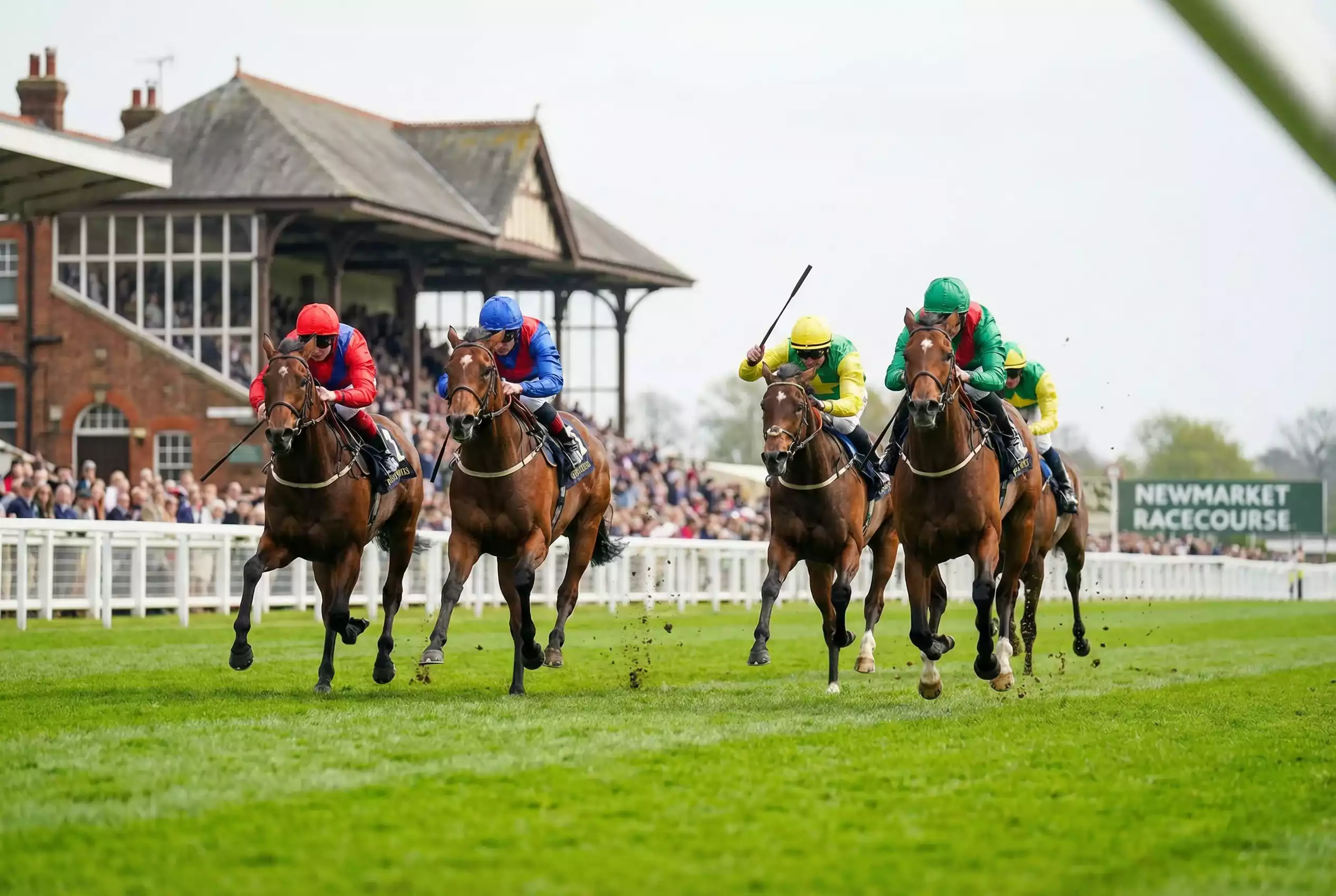
The Flat season runs from April to November, and as the ground changes, so does the non-runner profile. Spring openers on uncertain turf produce one type of withdrawal. High summer on fast ground produces another. And when the autumn rains arrive and the Flat programme extends into October and November, the NR dynamics shift again — driven by soft ground, shorter days, and a horse population increasingly split between those that relish the cut and those that need it firm.
Understanding these seasonal patterns is not about predicting individual withdrawals. It is about knowing when NR risk is elevated across the card, which types of horses are most vulnerable in each phase, and how to adjust your race-day assessment as the Flat year unfolds.
The Flat Calendar — Key Windows for Non Runner Risk
The Flat calendar is not uniform. It begins with the Guineas meeting at Newmarket in early May, peaks with Royal Ascot in June and the July festivals, and extends through the autumn with the major end-of-season meetings at Newmarket, Ascot, and Doncaster. All-weather racing runs year-round at Lingfield, Wolverhampton, Chelmsford, and Newcastle, providing a parallel programme that is largely unaffected by going changes on turf.
NR risk on the turf is concentrated in three windows. The spring opener — when the turf season resumes after winter — is a period of going uncertainty. The ground may be soft from residual winter moisture, or it may have dried faster than expected after a mild March. Trainers who have prepared horses for good ground over the winter face a gamble on what the spring surface will deliver.
The summer window is the most stable. June through August typically offers good-to-firm or firm going at most UK tracks, and NR rates drop to their lowest levels of the year. Horses that have been waiting for fast ground get their opportunity, and the withdrawal rate is driven more by minor veterinary issues than by going changes.
The autumn window — October and November — is when the NR rate climbs again. Rain returns, the going softens, and horses trained for fast ground are increasingly withdrawn from cards that were declared under 48-hour windows before the weather turned. The Flat programme has been deliberately extended into the autumn in recent years, which brings more racing but also more going-driven withdrawals.
Spring Turf Openers — Firm Seekers and Ground-Shy Horses
The spring turf programme begins in earnest in April, when the major turf tracks host their first meetings after the all-weather winter. The going at this stage is unpredictable. A dry March can leave the ground good-to-firm by April. A wet one can mean soft or even heavy in the opening weeks — conditions more associated with Jump racing than the Flat.
Trainers with firm-ground horses face the sharpest decision. A horse that has been prepared over the winter for a specific spring target — the Guineas trials at Newmarket, the Greenham at Newbury — may not get the ground it needs. If the going report on the morning of the race says good-to-soft, the trainer must weigh the risk: run on suboptimal ground and potentially compromise the horse’s performance (and future handicap mark), or withdraw and wait for firmer conditions later in the season.
The result is a spring NR pattern that is biased towards fast-ground specialists. Horses with proven form on good or quicker ground are more likely to be withdrawn in a soft spring than versatile performers that handle any surface. For the punter, this creates a filterable signal: check the going preference in the horse’s form, cross-reference it with the morning going report, and assign NR probability accordingly.
Spring also brings two-year-old racing, where the horses have no previous racecourse form and the trainer’s going preference is based on home work rather than race evidence. Two-year-old withdrawals tend to be less predictable than those for older horses with established going records.
Summer Firm Going — When the Fast-Ground Specialists Thrive
From June through August, the going at most UK turf tracks settles into good or good-to-firm. This is the Flat season’s sweet spot — the ground is consistent, the weather is (relatively) predictable, and the NR rate drops. Trainers who have been waiting for fast ground are running their horses, and those with soft-ground preferences are more likely to be entered for autumn targets.
Non runners in mid-summer are typically driven by veterinary issues rather than going changes. A minor niggle that surfaces on the morning of the race, a horse that did not eat up the night before, a travel problem — these are the routine causes, and they produce a low, stable NR rate that is the closest thing to a baseline the Flat season offers.
The exception is the occasional summer deluge. A heavy thunderstorm overnight can transform the going at a track from good-to-firm to good-to-soft in a few hours. When this happens, the NR wave is sudden and concentrated — multiple withdrawals from the same card, all going-related, all from horses that were declared in the expectation of fast ground. These events are rare in midsummer but not unheard of, and they create the sharpest single-day NR spikes of the Flat season.
Royal Ascot in June is the premier NR risk point during the summer phase — not because of a high base rate, but because of the meeting’s international profile. Horses travelling from overseas are more ground-sensitive and more likely to be withdrawn if conditions do not match expectations.
Autumn Soft — How October Rain Reshuffles the Flat Tail End
The Flat season’s final phase — October and November — brings the highest NR rates of the turf year. The clocks go back, the rain arrives, and the going at most turf tracks shifts from good to good-to-soft, soft, or occasionally heavy. Horses that thrived in summer conditions are withdrawn from autumn entries as the ground changes beneath them.
The BHA has actively reshaped the autumn Flat programme. In 2024, approximately 200 Flat races were moved from summer into autumn to improve competitive balance and extend the season. That reallocation brought more racing into the October-November window, but it also increased the volume of going-sensitive withdrawals — more races on softer ground means more opportunities for NR.
The autumn soft also coincides with the start of the Jump season, which draws some dual-purpose trainers and horses away from the Flat. A horse that was entered for a late-season Flat handicap may be rerouted to a novice hurdle if the going suits Jumps better than the Flat. These tactical withdrawals are not captured in the going-related NR category, but they contribute to the overall thinning of autumn Flat fields.
For punters, the autumn Flat window demands the same going-awareness routine as Jump racing. Check the forecast, check the going report on the morning of the race, and cross-reference with each horse’s ground preference. The Flat season may run from April to November, but October and November are functionally a different sport in terms of NR dynamics.
Flat NR Data — Numbers by Month and Going Type
The seasonal NR pattern on the Flat is visible in the data, and the numbers reinforce the narrative. NR rates are lowest in June through August, when the going is most consistent. They rise in April and September as seasonal transitions create going uncertainty. They peak in October and November, when autumn rain drives the highest concentration of ground-related withdrawals on the Flat calendar.
Field sizes provide additional context. BHA data shows that average field sizes at Flat Premier racedays rose from 10.50 in 2023 to 10.86 in 2024 — a positive trend driven partly by the BHA’s strategy of concentrating quality racing on fewer, bigger cards. But that average masks seasonal variation. Spring and autumn Premier meetings tend to have slightly smaller fields than summer ones, partly because NR-driven shrinkage is more common when the going is unstable.
The going-type breakdown is equally telling. Races on good-to-firm or firmer ground have the lowest NR rates — trainers who declare on fast ground are usually confident their horses suit the surface. Races on good ground sit in the middle. Races on good-to-soft or softer have the highest NR rates, because the soft description triggers withdrawals from the fast-ground contingent that was hoping the going would hold.
The practical application is to weight your NR risk assessment by the month and the going forecast. A Saturday handicap at Newmarket in July on good ground carries structurally lower NR risk than the same race at the same track in October on good-to-soft. The data supports the intuition, and acting on it — adjusting your betting intensity, your each-way terms check, and your draw analysis accordingly — gives you an edge over the punter who treats the Flat season as a single, undifferentiated block.
Flat Season Non Runners — More on this topic at non runners horses today.
See also Jump Season Non Runners.
